October is Cyber Security Awareness Month, a nationwide initiative that highlights the importance of digital safety and serves as an annual reminder for all Australians to stay secure online.
While headlines often focus on cyberattacks against large corporations, the reality is that small businesses are increasingly being targeted by cybercriminals.
On average, a cybercrime report is filed every six minutes which is around 87,000 reports in a 12 month period.i These statistics are more than just numbers, they reflect real businesses facing financial loss, reputational damage, and operational downtime. Despite the risks, many small businesses do not prioritise cybersecurity, often due to time, budget constraints, or lack of knowledge and awareness.
The encouraging news is that you do not need to be a tech expert or have a large IT department to strengthen your business’s cybersecurity. By implementing some simple steps and cultivating good habits, any small business can reduce its risk of attack.
Everyday habits that protect your business
Many cyber threats succeed not because of advanced hacking but because of everyday missteps that leave a business vulnerable. These common mistakes are often simple to fix and once addressed, can significantly improve your business’s overall security position.
Use strong, unique passwords
One of the most frequent risks is the reuse of passwords across multiple systems. While this might be convenient, it makes your business highly vulnerable. If one account is breached, attackers can easily access others. A better approach is to use strong, unique passwords for each account and store them in a secure password manager.
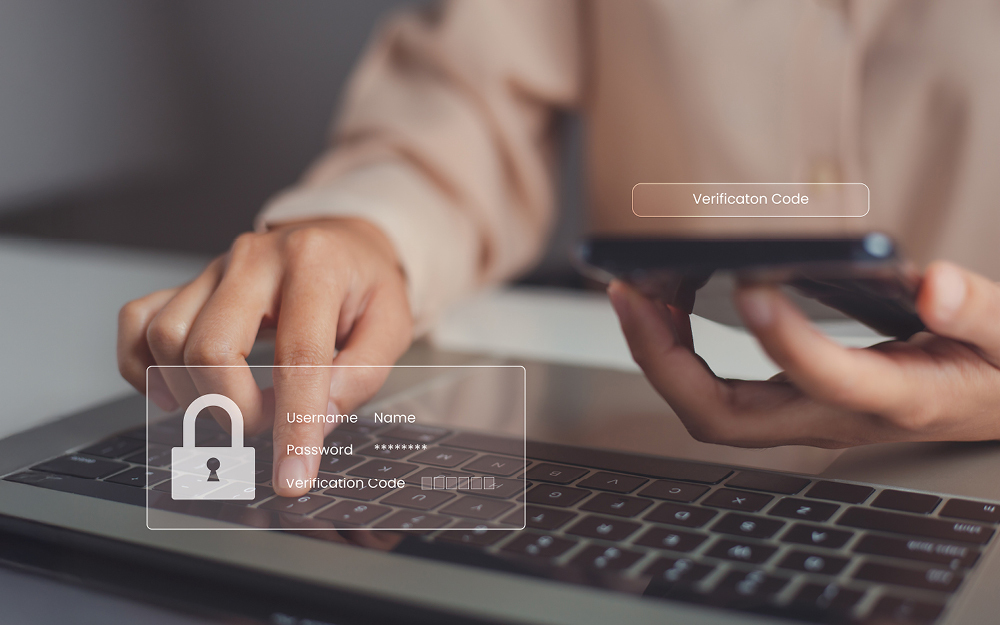
Using multi-factor authentication (MFA) adds an additional layer of protection. Even if a password is compromised, MFA helps prevent unauthorised access by requiring a second form of verification, such as a code sent to a mobile phone.
Conduct regular software updates
Ignoring software updates is another risky habit. Those pop-up notifications to install updates are more than just reminders – they often contain vital security patches that fix known vulnerabilities. Hackers frequently exploit these weaknesses in outdated systems. By enabling automatic updates across your devices and applications, you can stay ahead of many common threats.
Back up your data
Data loss is another serious threat to business continuity. Whether from ransomware, hardware failure, or human error, losing access to your data can be costly. The best defence is regular, automated data backups stored in a secure cloud service or on encrypted external drives. It is also important to routinely test your backups to make sure your data can be recovered if needed.
Implement access control
Giving every employee full administrative access increases the risk of accidental damage or exploitation if an account is compromised. Apply the principle of least privilege by giving employees access only to the information and systems they need to do their jobs. This simple step can contain the impact of a breach and protect sensitive data.
Educate employees on what to watch for and their role in reducing risk
Phishing is also a major concern. These scams are designed to trick users into clicking malicious links or sharing sensitive information. Cybercriminals use realistic-looking emails to impersonate trusted contacts or companies. That is why training staff to recognise phishing emails is essential. Look for signs such as urgent language, unfamiliar sender addresses, unexpected attachments, and misspellings. Encourage employees to verify suspicious messages with a colleague or manager before responding.
Finally, cybersecurity awareness is just as important as technical defences. Human error remains one of the leading causes of data breaches. Without proper training, staff may not understand how their actions could lead to risk. Make cybersecurity training part of your onboarding process and provide regular updates through short sessions or tips in team meetings. Keep them simple and relevant to your business operations so employees understand their role in protecting the business.
Cybersecurity may seem overwhelming at first, but it is really about making better choices, staying informed, and creating safer habits. You do not need expensive tools or complex systems to make a meaningful impact. Small changes, such as using stronger passwords, enabling multi-factor authentication, backing up data, and training staff, can go a long way in preventing cyber incidents.
The steps you take today can help ensure your business continues to grow and thrive safely in an increasingly connected world.
i Annual Cyber Threat Report | Australian Signals Directorate