
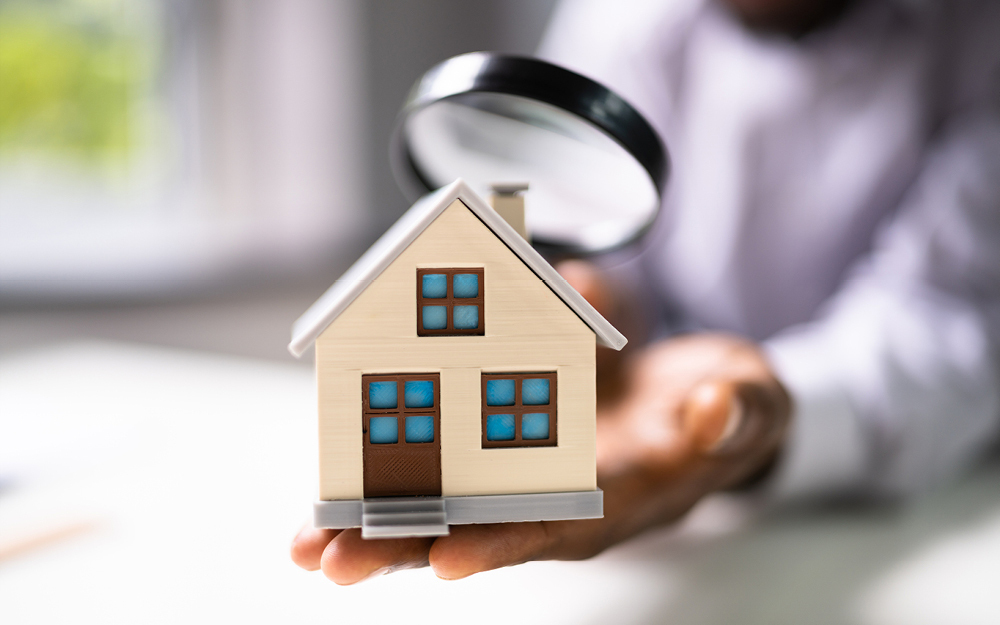
While it’s tempting to get swept up in the excitement of real estate listings and open homes with freshly baked cookies, it’s important to remember one key principle: caveat emptor – let the buyer beware. In other words, it’s up to you to make sure you’re not buying someone else’s expensive problem disguised with a fresh coat of paint.
Let’s talk about what that means and how to do your homework before you pick up the keys to your future.
Check for unwelcome houseguests or hazards
Just because a house looks clean and tidy doesn’t mean there isn’t a party of pests going on behind the walls. Termites, in particular, are silent destroyers that can chew through timber framing like it’s an all-you-can-eat buffet.
A professional pest inspection can determine if there’s any current activity, previous infestations, or evidence of rodents and other creepy-crawlies you’d prefer not to share your home with. It’s much easier to walk away from a dodgy property than it is to evict a thousand termites.
Of course, it’s also a good idea to check for any potential health hazards like mould, asbestos, or lead paint, which are common in older homes, and even consider checking for soil contamination.
Make sure there’s no insurance surprises
Some properties come with a lovely location and serious risk. If you’re eyeing a home near a river, in the bush, or on a coastal cliff, don’t forget to check what kind of insurance situation you’re getting yourself into.
Insurers might charge a premium or flat-out refuse to cover you if the property is in a flood-prone or bushfire-vulnerable area. Before making an offer, check local hazard maps and call for quotes. Your future self (and your wallet) will thank you.
Check the property’s history
Not all home improvements or renovations are done by the book. Before you get too attached, ask for the paperwork. Has the work been approved by council? Are there permits and final inspection certificates for any recent renovations? If not, you could be looking at future battles with the council, expensive fixes, or worse, being forced to demolish an unapproved structure you just paid good money for.
Don’t judge a home by its new carpet
Fresh paint, new carpet, and strategically placed furniture can hide a multitude of sins. Sometimes sellers use cosmetic upgrades to cover up deeper problems like mould, damp, or structural damage.
If the house smells like fresh paint or looks a little too perfect in specific areas, your inner detective should be on alert. It’s not rude to poke around. Lift a rug, peek inside the cupboards, turn on taps and check out the roof space and under the house, if you can. Things that can be red flags include misaligned doors, cracks in walls or new plasterwork, windows that are hard to open or have cracked glass. These issues can all point to structural issues that can be expensive to fix.
Get a professional involved
Consider engaging a professional building inspector to identify any undisclosed or non-compliant works and look for signs of water damage, dodgy wiring, structural issues, and other costly defects that aren’t visible to the untrained eye.
Think of it as hiring a bodyguard for your future bank account.
Don’t neglect the fine print
Even if the seller seems genuine and the home looks like something out of a magazine, don’t skip the fine print. Request documentation and take the time to have the contract of sale reviewed by a solicitor or conveyancer. Make sure any inclusions like appliances, curtains, or fixtures are clearly listed. Check if there are any easements, restrictions, or future developments nearby that could affect your property. You don’t want to move into your peaceful dream home only to find out there’s a freeway going in or an apartment complex being built next door.
You should compare the measurements shown on the title document with actual fences and buildings on the property, to make sure the boundary matches what’s on paper.
A property might come with charm, character, and a great location, but you need to make sure it also comes with solid bones, legal compliance, and no nasty surprises lurking under the surface.
So, take your time and remember, you’re not just buying a house. You’re investing in your future comfort, safety, and happiness.